Motorola
Three Launches. One Point of View.
Between 2019 and 2020, Motorola launched three very different phones into the market.
A cultural icon reborn.
A flagship-level camera phone at an accessible price.
A device built for people who live in motion.
Rather than treating these as separate product pushes, we approached them as one creative system. A shared belief expressed three different ways.
The work spanned film, print, social, digital, and even the screens people touched every day.
Not just campaigns you watched, but design you lived with.
Motorola Razr
Reclaiming an Icon
The original Razr was never just a phone.
It was a status symbol. A fashion object. A piece of cultural shorthand.
The relaunch could not rely on nostalgia. And it could not behave like a traditional tech launch.
It needed to feel inevitable. Desired. Already claimed by culture.
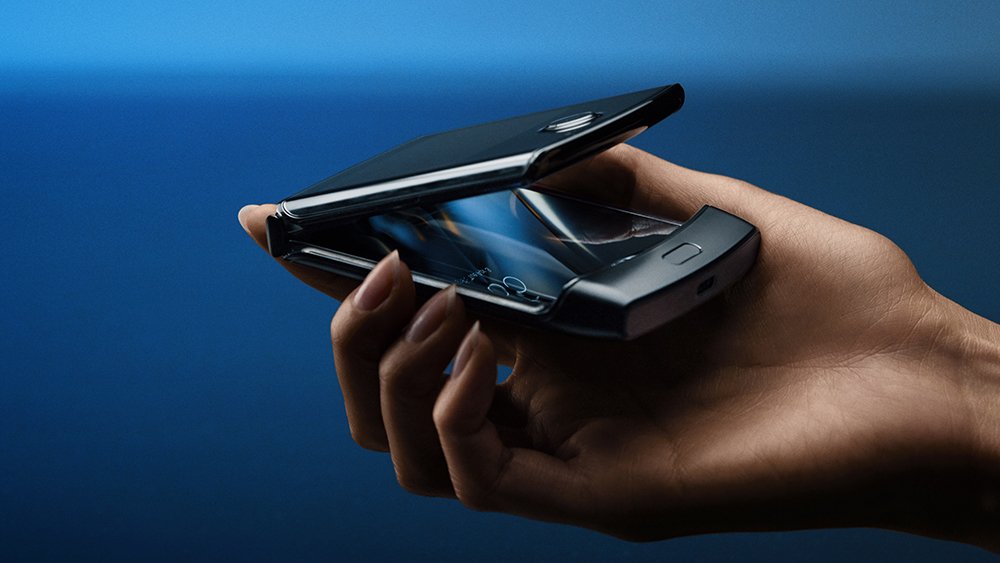
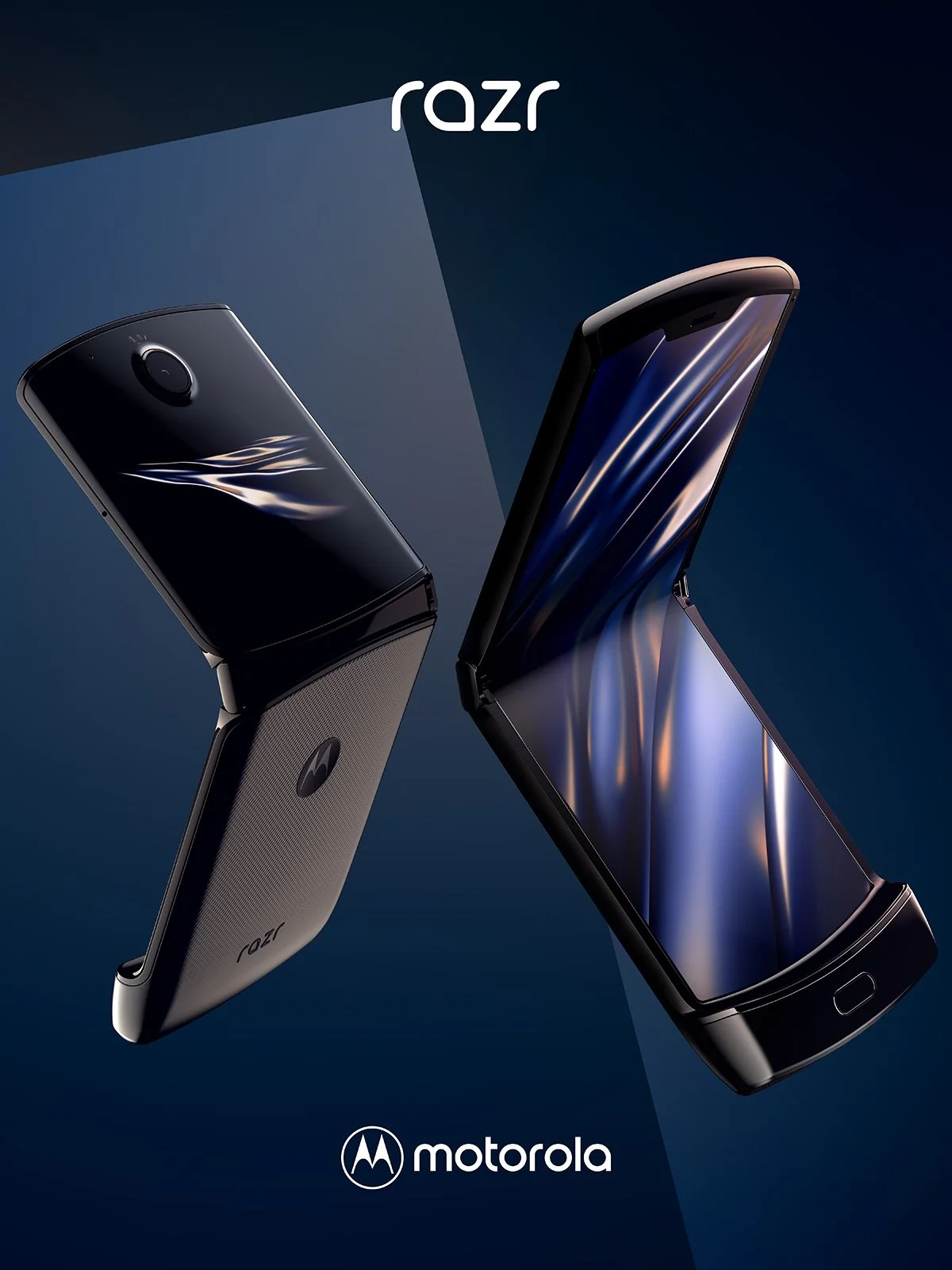
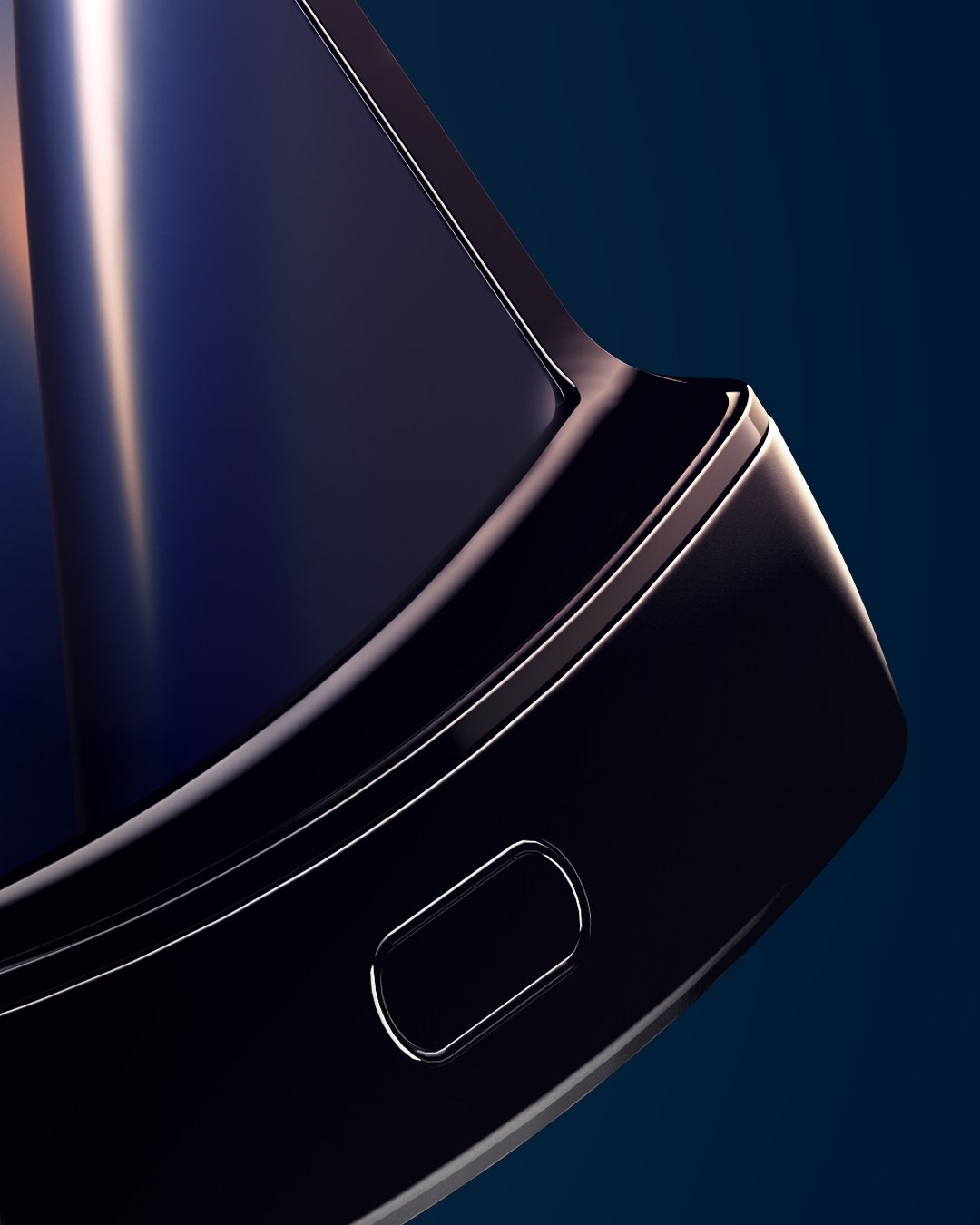
We treated the Razr as modern luxury. Minimal language. Editorial pacing. A visual world built from fashion, art, and quiet confidence. The product appeared less as a device and more as an object of transformation.
Nothing was explained.
Nothing was overstated.
The phone did not ask to be noticed.
It assumed it would be.









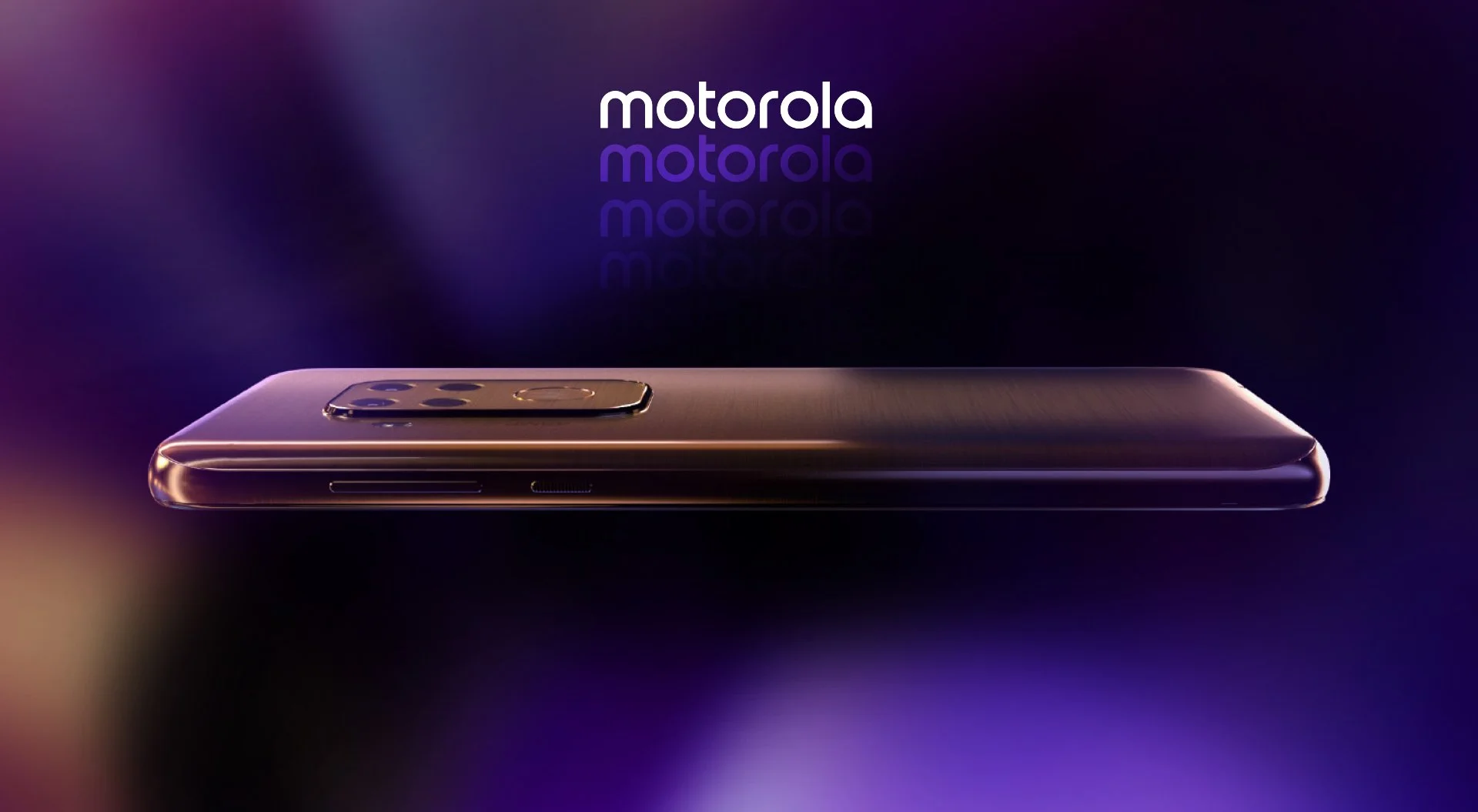
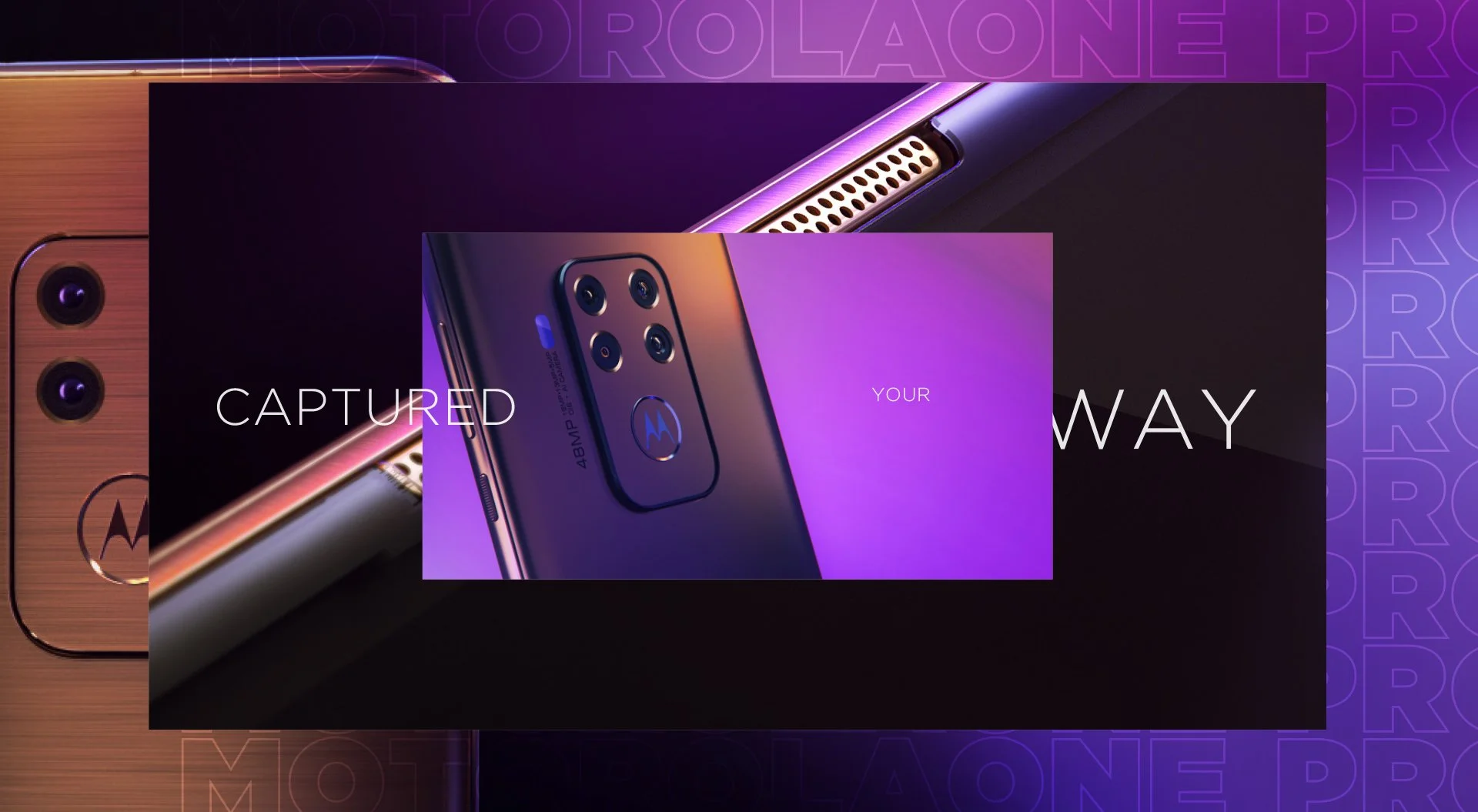
Motorola One Zoom
Flagship Thinking, Calmly Delivered
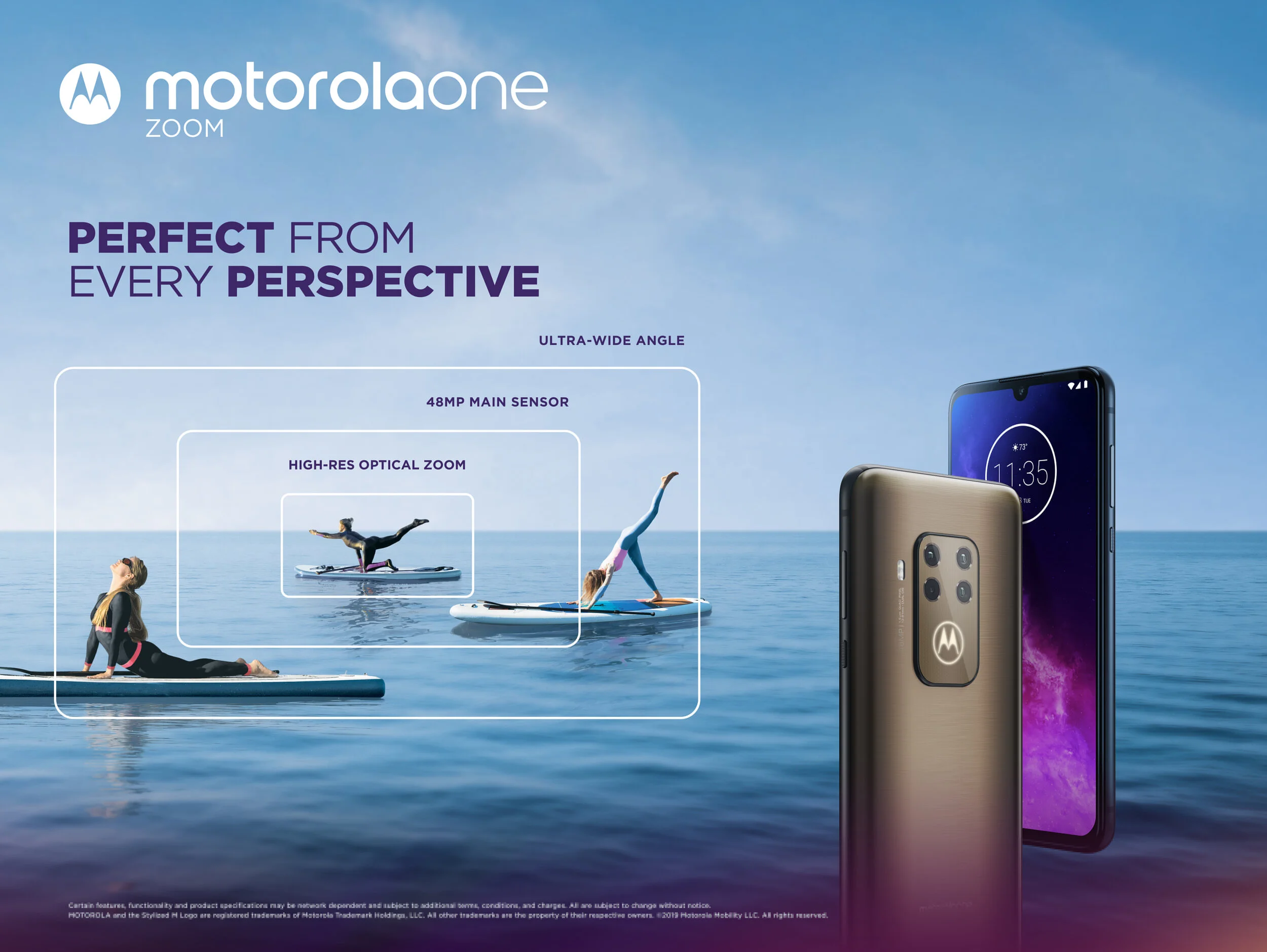
Zoom was about credibility.
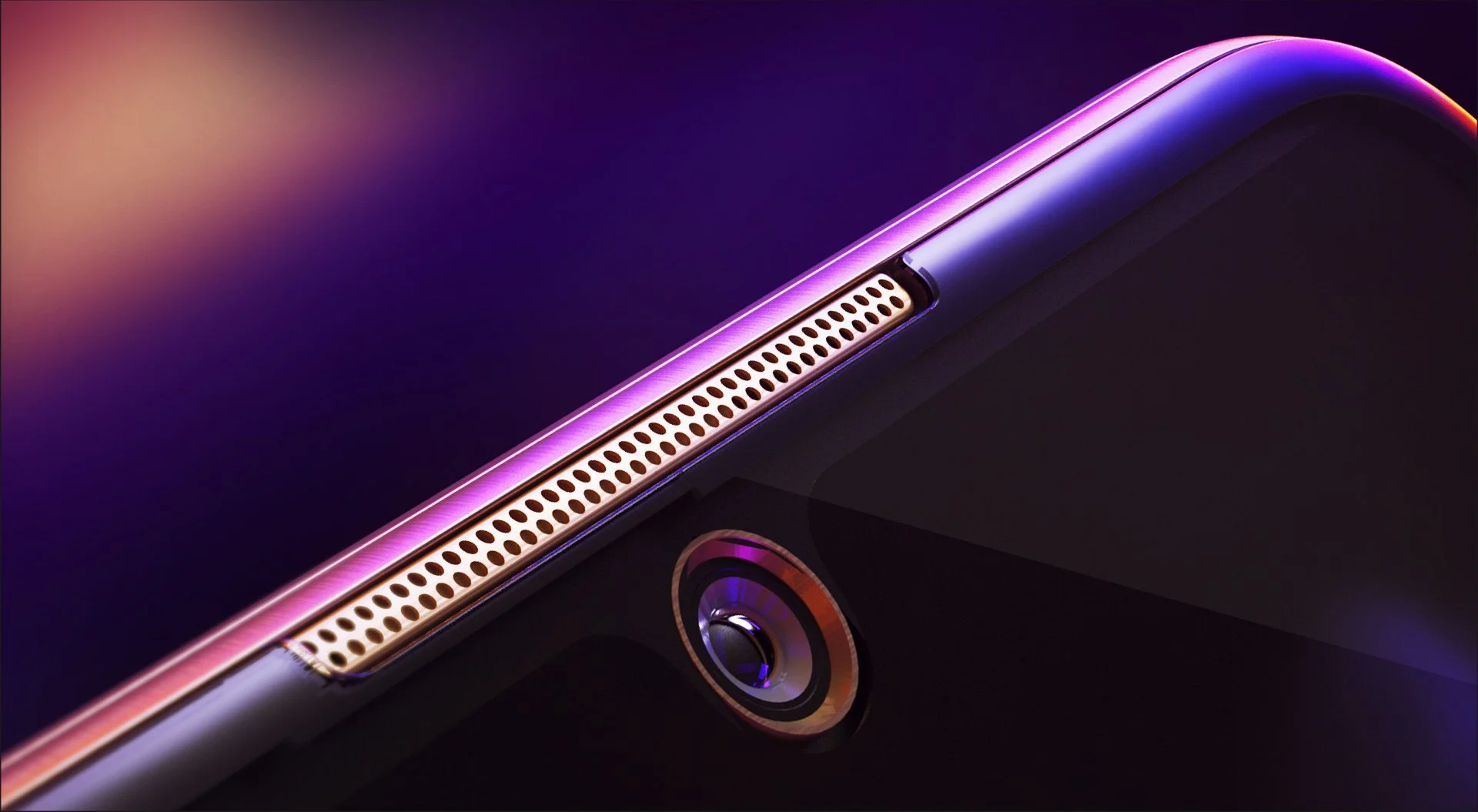
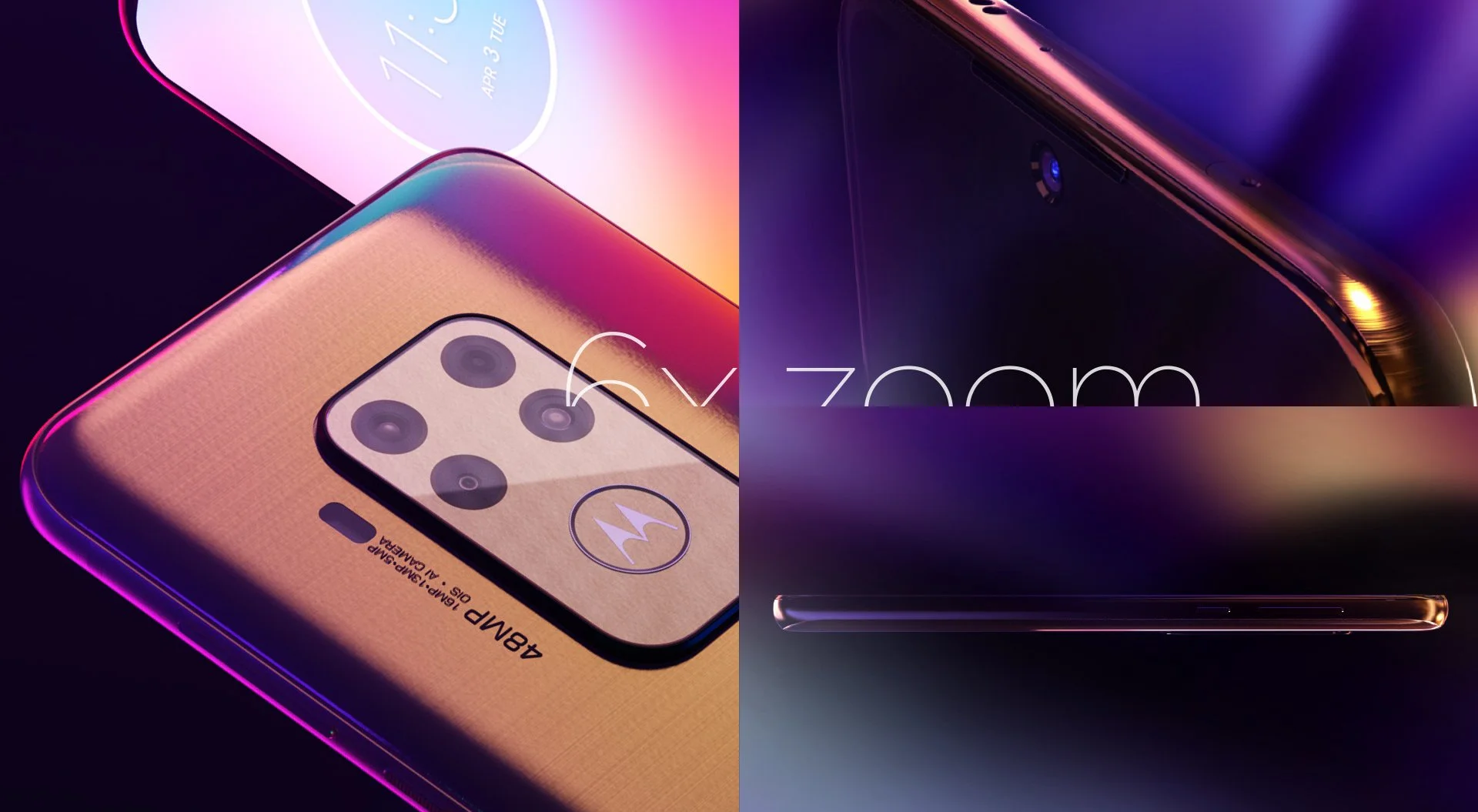
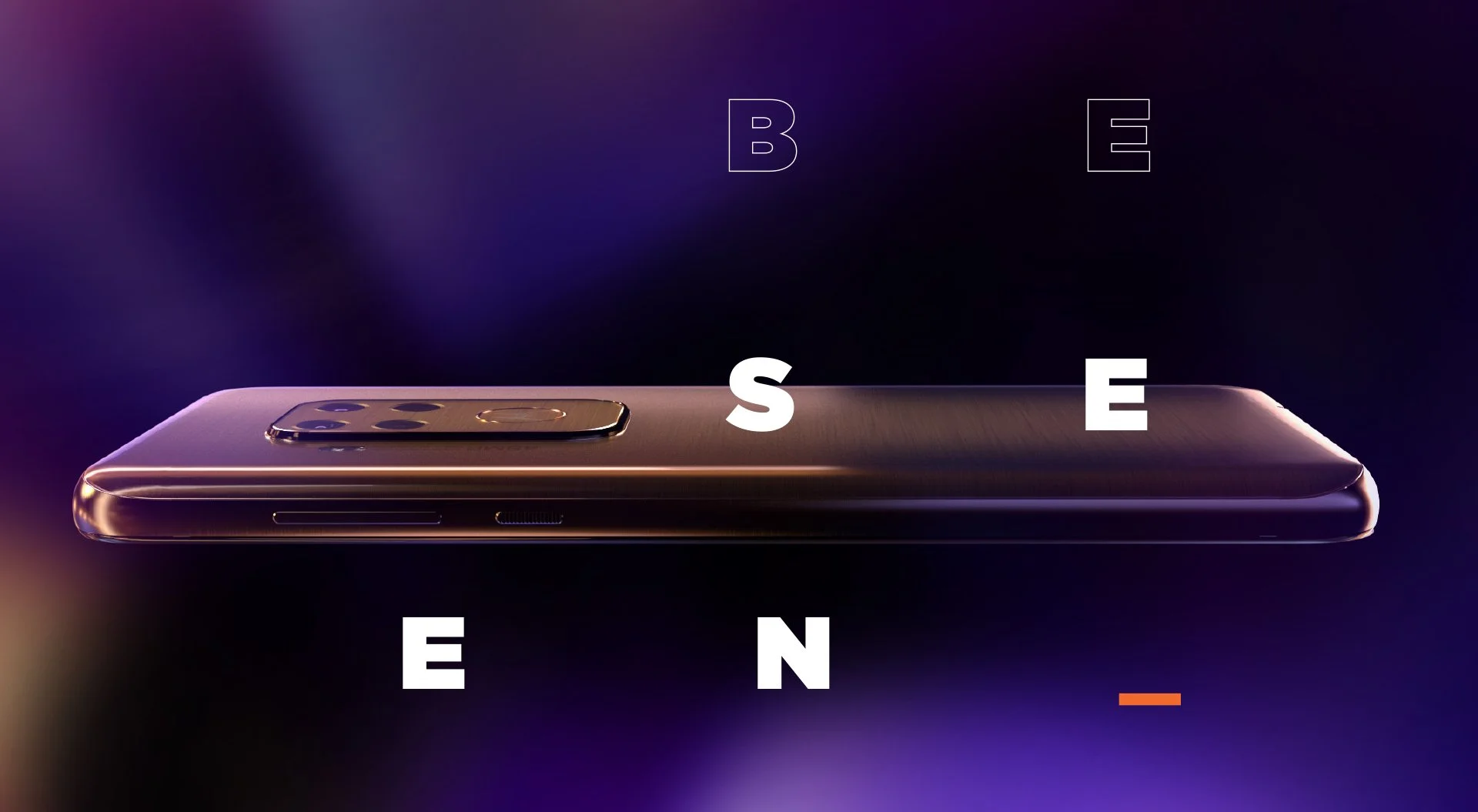
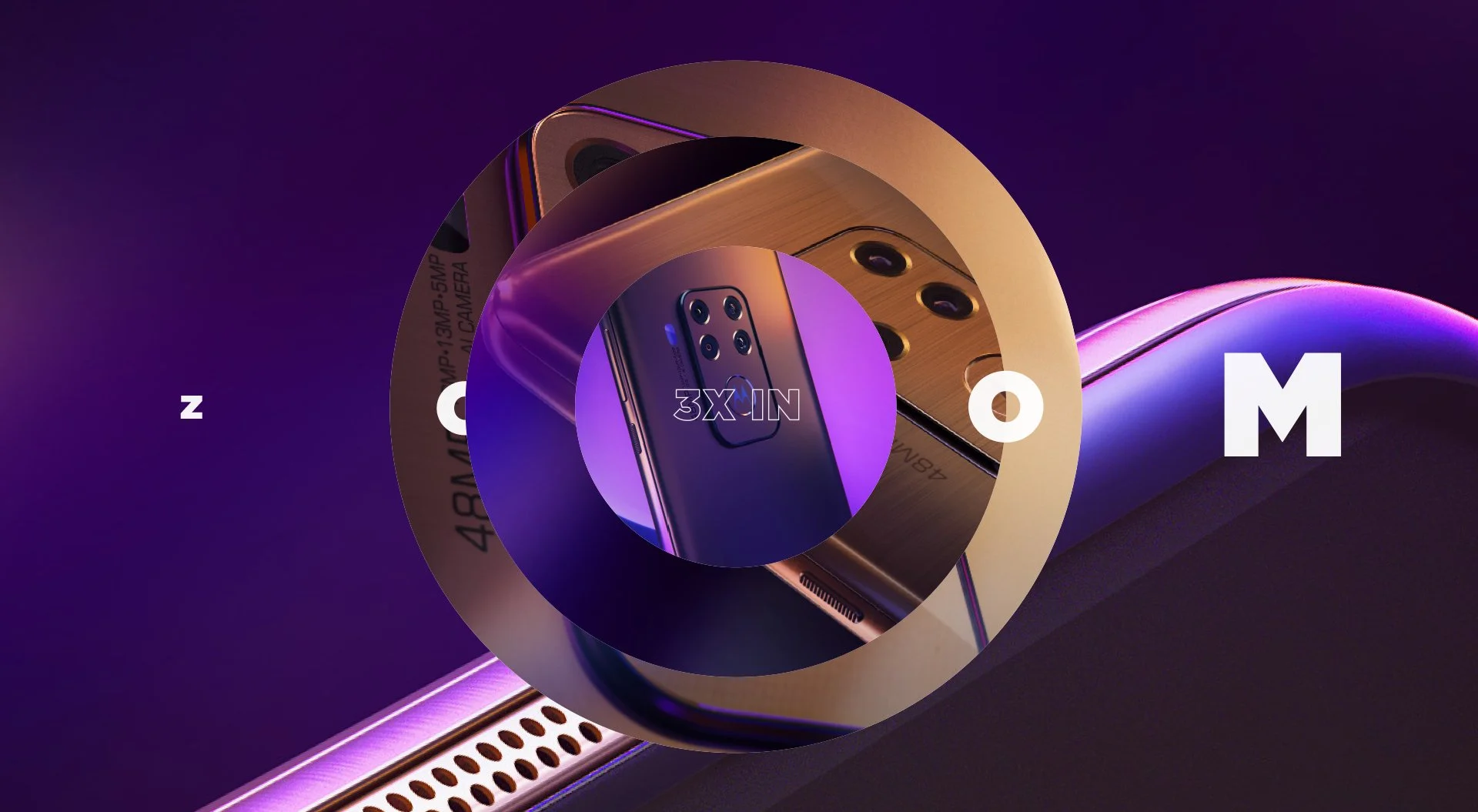
Four cameras. True optical zoom. Long battery life. Premium materials.
All without the price or posturing of a flagship phone.
The creative followed the same discipline.
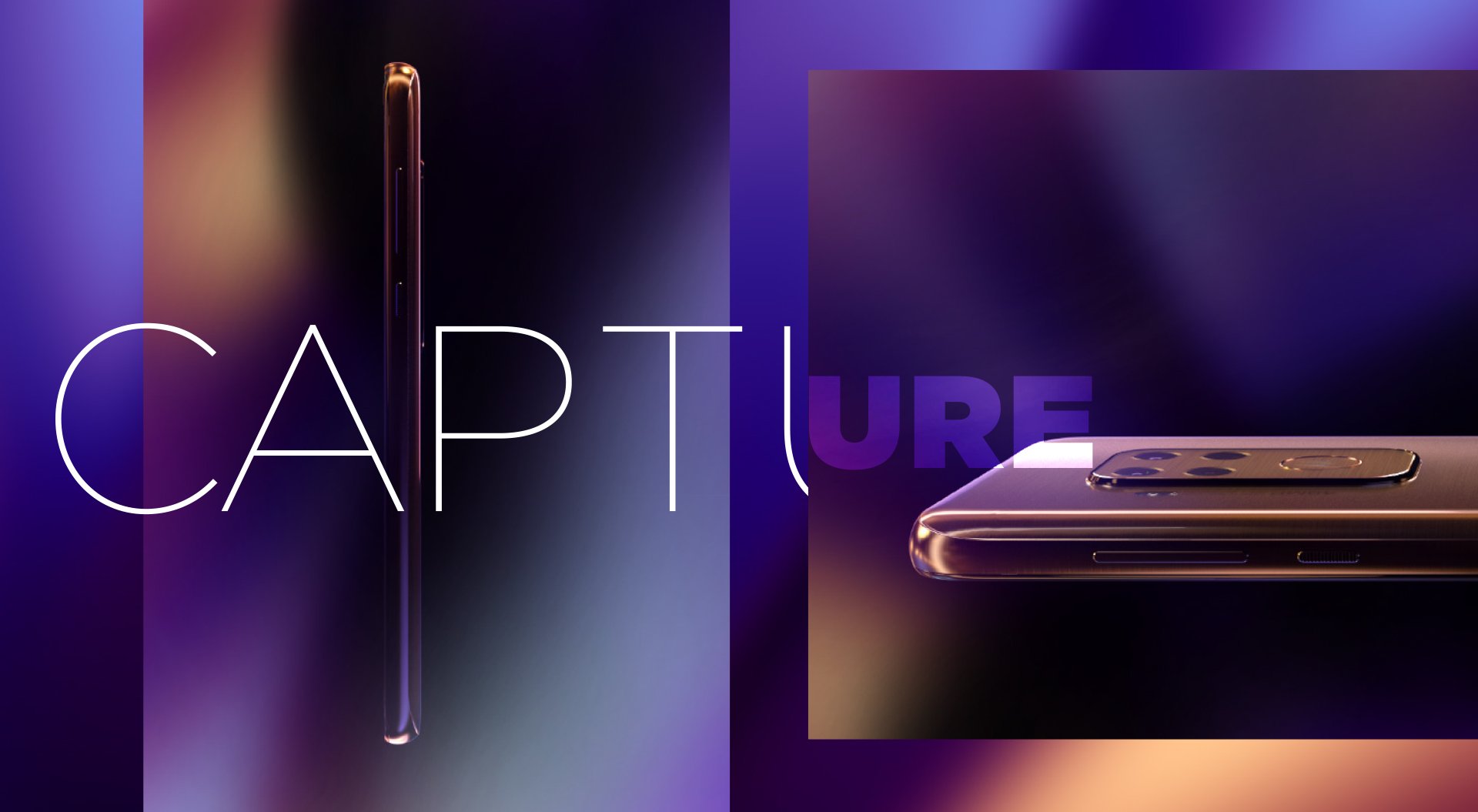
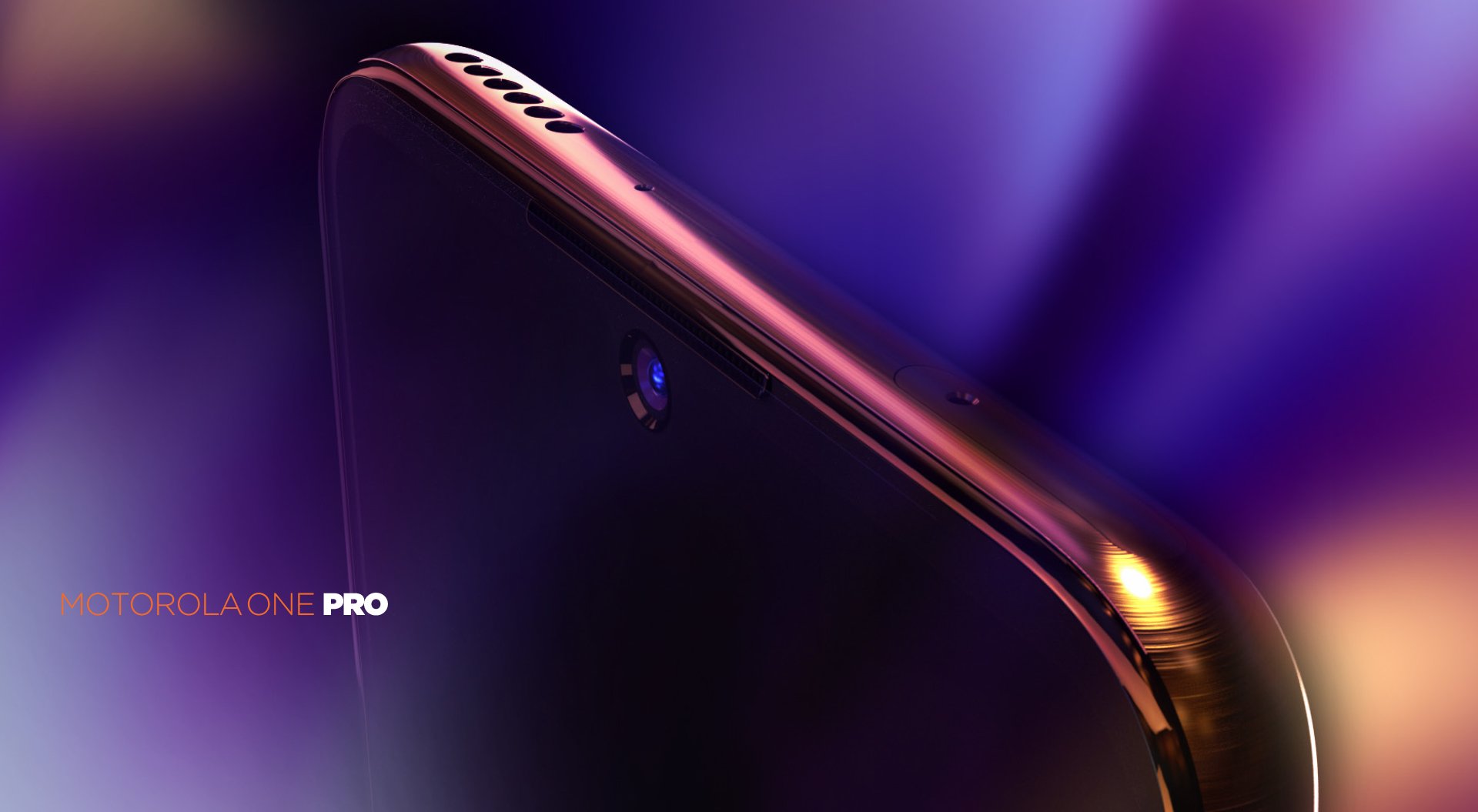
Clean compositions. Product-forward imagery. Messaging that let clarity do the work.
We avoided hype language and feature dumping. Capability was shown through restraint. Confidence came from what was left out.
Zoom did not try to redefine the category.
It simply behaved like it belonged there.


Motorola One Action
Built for Motion
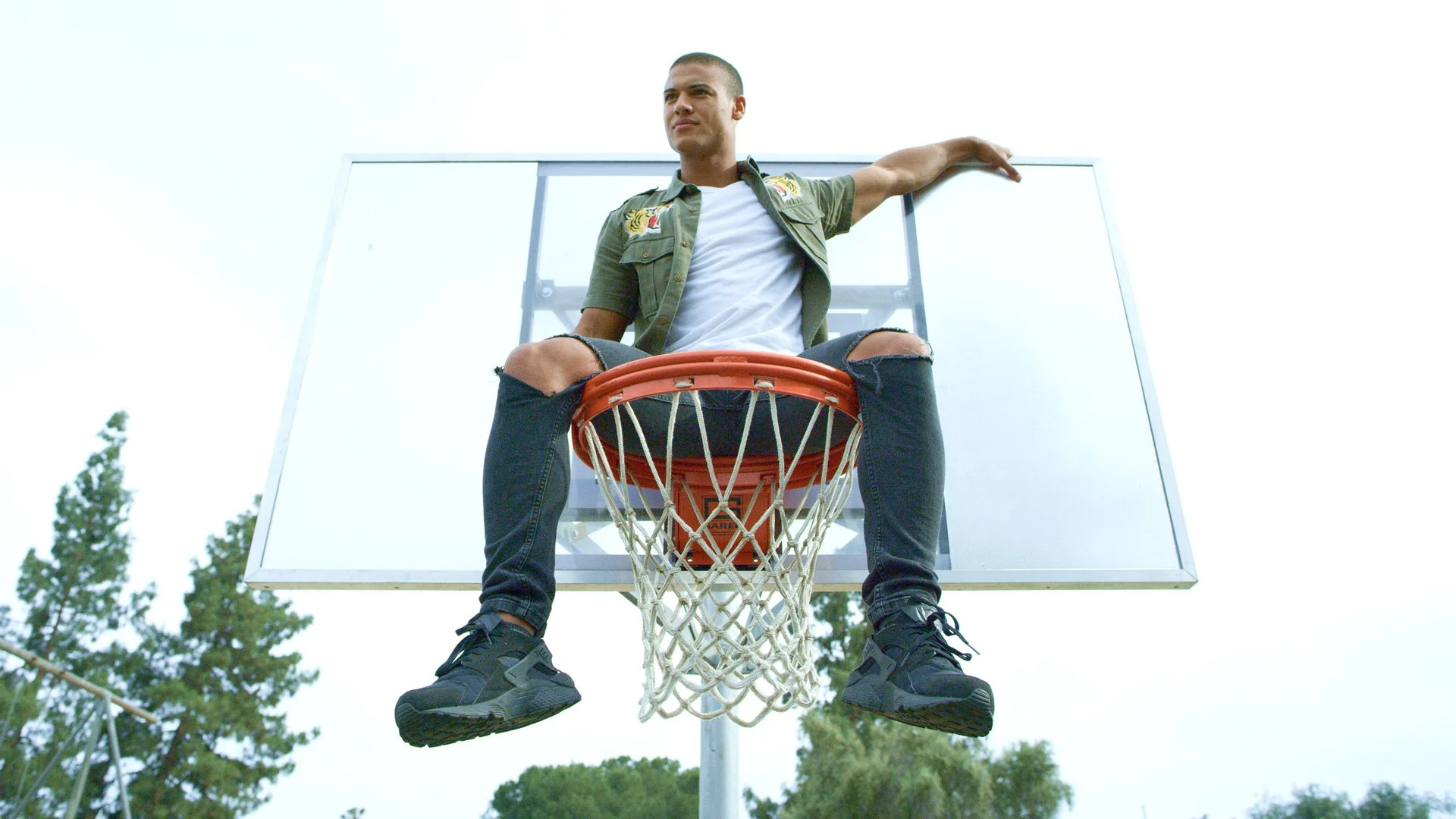
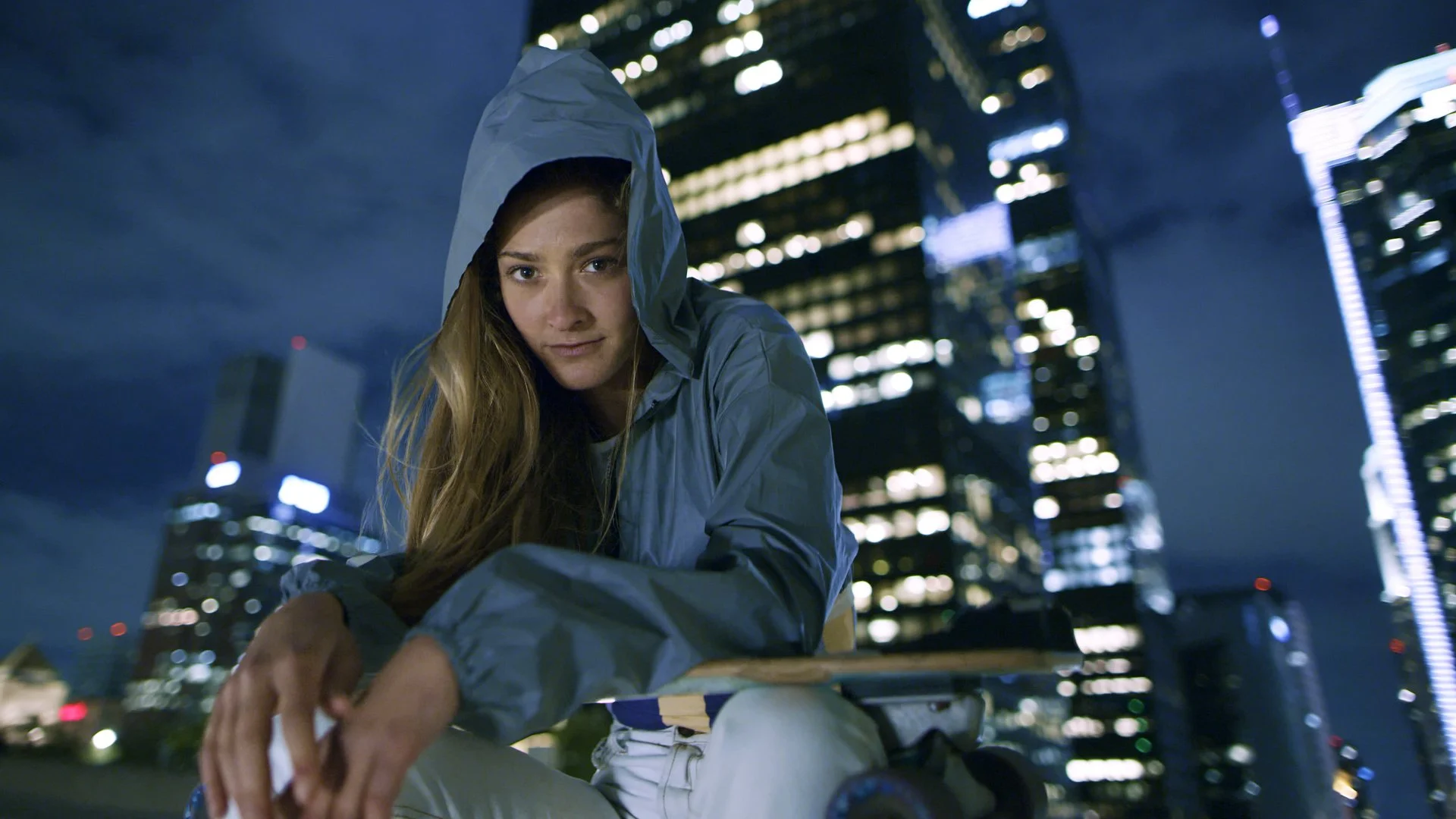
Action was designed around movement. Not staged moments, but lived ones.
The work leaned into energy, perspective, and immediacy. Camera capability was expressed through use, not explanation. Film, social, and print all moved with the same principle.
If you want to speak to people who are always in motion, the work cannot feel static.
Action rounded out the system. Less about aspiration, more about momentum. A reminder that the same point of view could flex across audiences without losing coherence.
A system, not a moment.
Across all three launches, the work extended beyond traditional media.
Print and OOH reinforced the visual language.
Social was designed for behavior, not formats.
Wallpapers and on-device graphics shipped with the phones themselves, turning the campaign into something users lived with daily.
This was not branding layered on top of product.
It was branding embedded inside it.
Different devices. Different audiences.
One underlying belief.
Motorola does not need to convince people it is relevant.
It needs to behave like it already knows who it is.