Basic Nature
Built a high-margin creative operating model by redesigning production models
Basic Nature was built around a simple problem: traditional production models were structurally inefficient.
Studios carried permanent overhead, oversized teams, unnecessary producer layers, and slow communication chains that increased cost without improving the work. Clients paid for infrastructure they did not need and were often separated from the actual creative talent doing the work.
The opportunity was to redesign the model entirely.
Operating Model
Instead of a traditional studio structure, I built Basic Nature as a remote-first production and post company years before remote workflows became standard.
Rather than maintaining large permanent staff, I built a specialist network of senior talent brought in only when their expertise was required. Teams expanded and contracted based on the real needs of each project, allowing higher quality execution without fixed overhead.
Owning post-production internally and removing unnecessary producer layers created major cost savings while improving speed and decision-making.
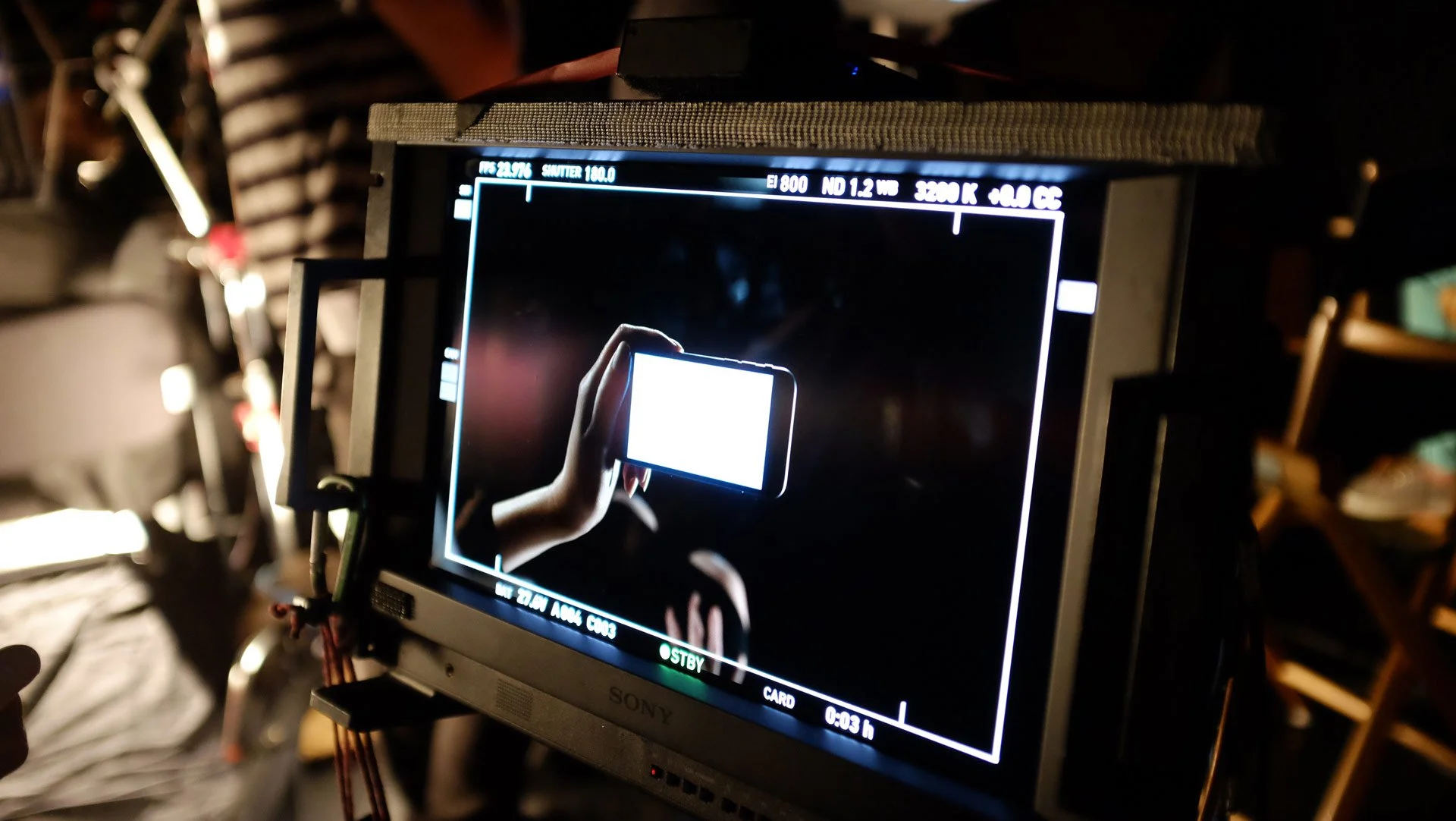
The business operated as both agency and production partner, working directly with brands and bundling strategy, production, and post into a single system.
Every executive decision sat with me: pricing, hiring, vendor negotiation, margin strategy, production structure, contracts, client relationships, and new business development. The goal was not simply to produce projects, but to create a more efficient commercial model for how creative work was delivered.
This allowed clients direct access to the people making the work rather than layers of account management and process.

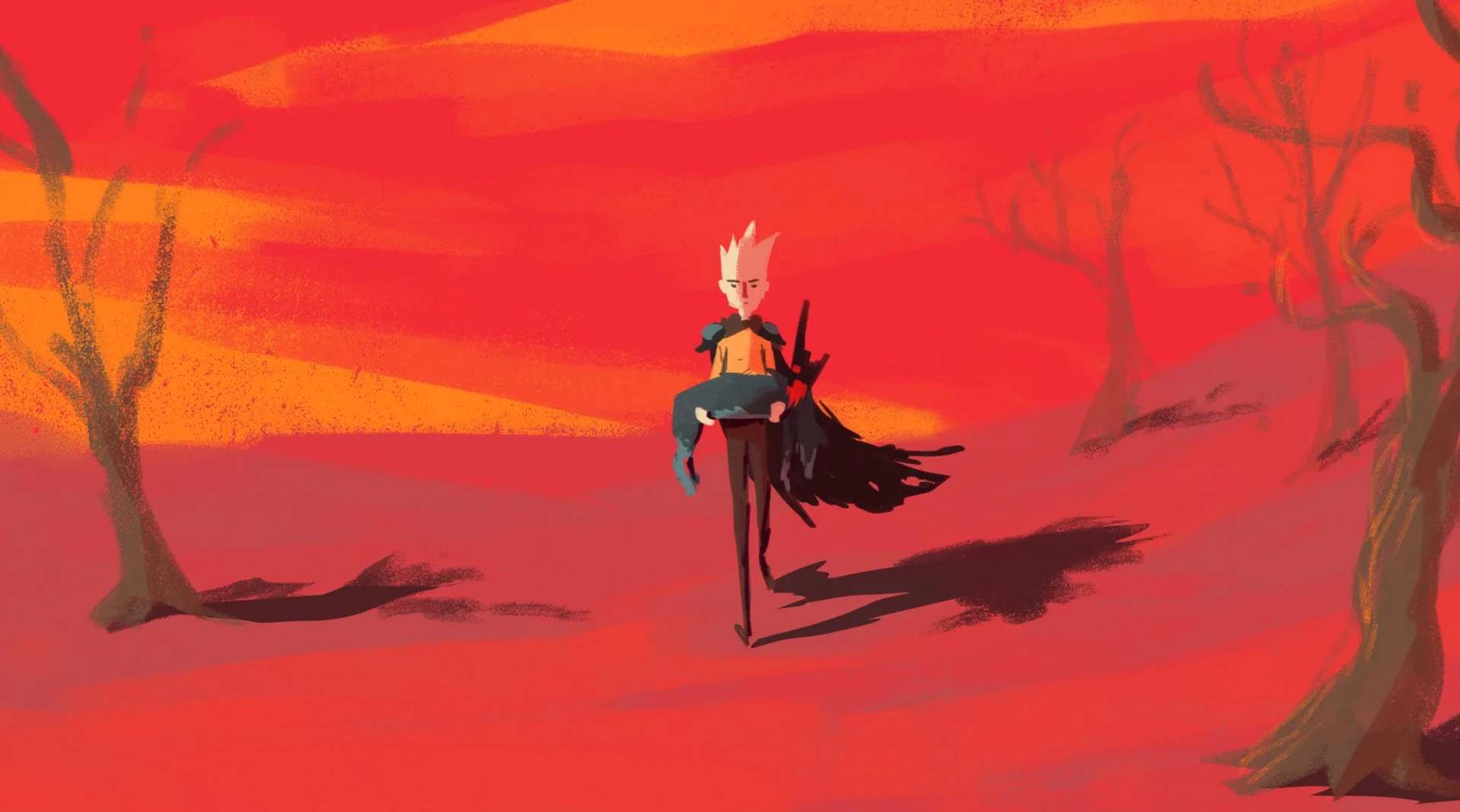
Proof of the Model
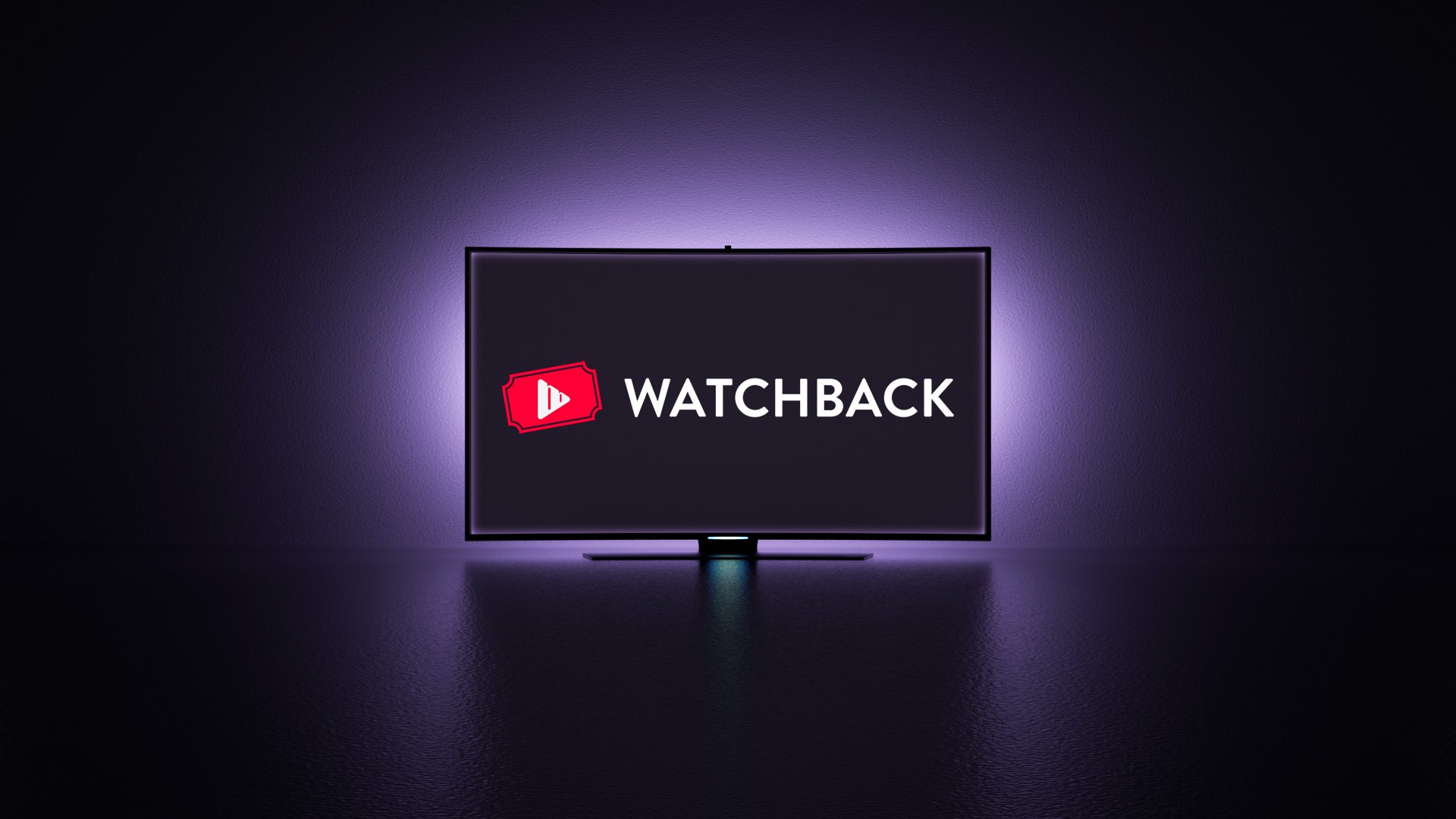
The strongest proof was NBCUniversal’s WatchBack launch campaign, the precursor to Peacock.
There was no external agency involved. I operated directly with the client as both strategic partner and production lead, building the campaign from zero through final delivery. The same model supported larger-scale projects including Toujeo pharma campaigns with $3M+ budgets, Samsung 837 flagship films, Yahoo campaigns, and national broadcast work.
The structure consistently delivered better talent access, lower costs, and stronger client trust.

Business Outcome
By redesigning the operating model around flexibility, ownership, and senior talent density, Basic Nature increased overall operating margin from approximately 20% to 60%.
The result was not a boutique studio. It was a more profitable and scalable creative system built on operational discipline rather than overhead.